Ask
Grounded answers from your library
Scoped Q&A with citations — verify claims against the sources you trust, not the open web. Memory keeps context across sessions.
Research · synthesis workflow
Batch-import PDFs, protocols, and lab notes. Compare methods with citations, map the field in AI View, and export literature reviews and lab slides — every claim traceable to a passage.
Content Factory
Generate from library

Lit review
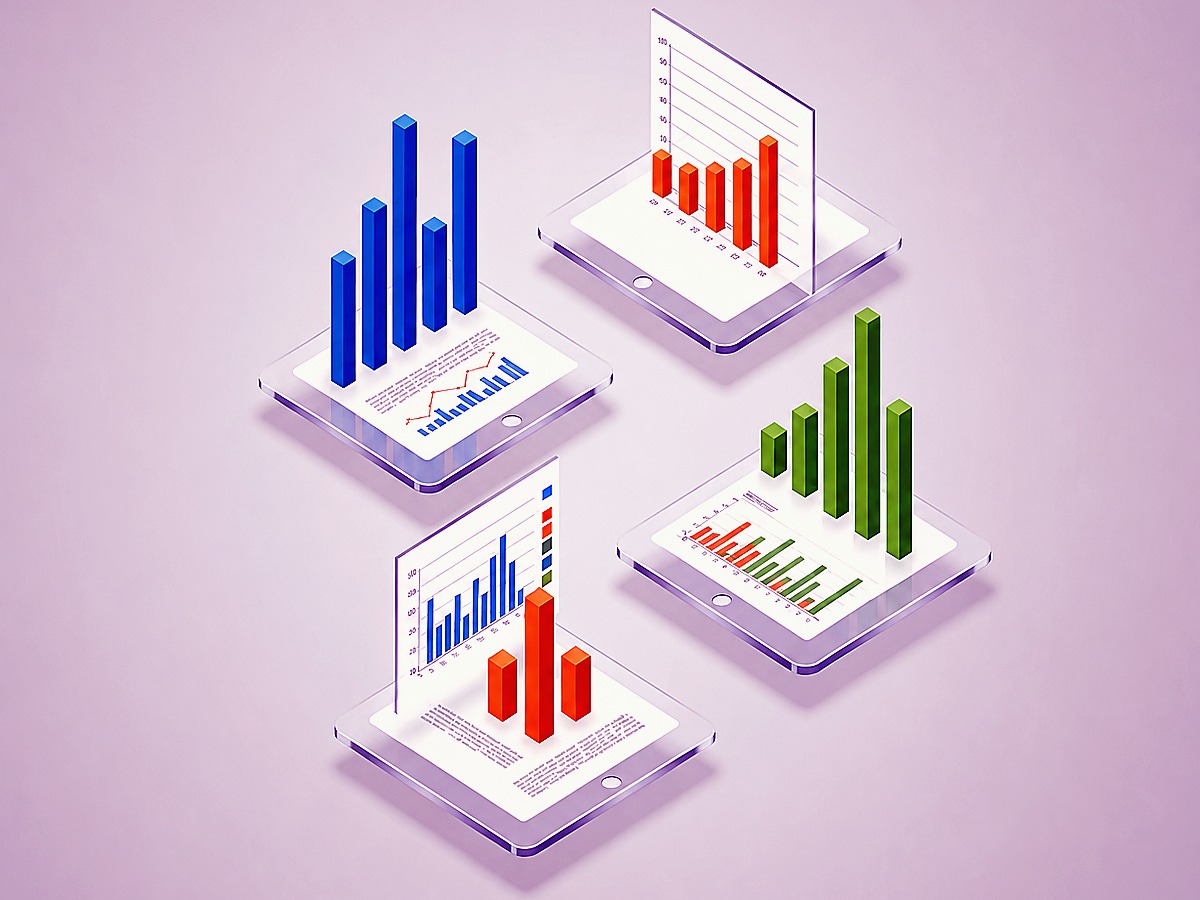
Lab slides
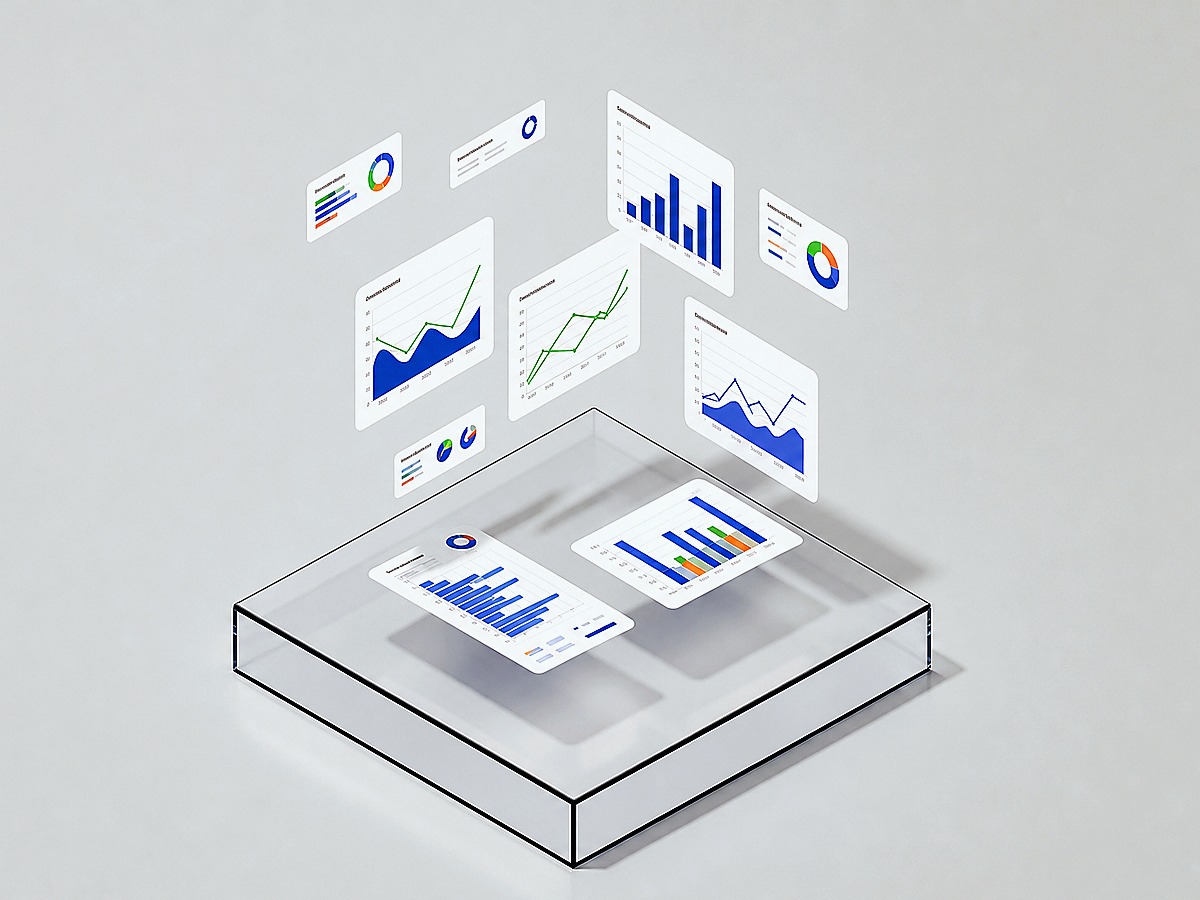
Methods quiz
Summary
Import PDFs, preprints, protocols, and meeting notes into one workspace — searchable across the full paper set, not trapped in annotation apps.
Ask how datasets, metrics, and methods differ across papers. Answers link to specific passages your PI can open.
Generate review sections, methods briefs, and lab meeting slides from Content Factory — same corpus, publication-ready structure.
Annotations live in separate apps — co-authors cannot search your notes or see which paper supports a claim.
Forty papers for a tight deadline means weeks of manual cross-reading and spreadsheet maintenance.
Reviewers and lab mates ask “which source?” — and you dig through folders instead of clicking a citation.
Every comparison step ties back to passages in your paper set — not model memory.
AI View clusters methods, datasets, and debates so you see gaps before writing.
Team permissions, comments, and version history on the same research corpus.
PDFs, supplements, and lab notebooks indexed together.
Side-by-side analysis with citation chips.
Concept and paper relationships in AI View.
Reports, grant outlines, and lab meeting slides.
Literature review
Structured synthesis with inline citations
Methods brief
Comparison table across papers
Lab slides
Meeting deck from your paper set
Grant outline
Related-work section tied to prior art
Mindar Agent
Every use case shares the same intersection: grounded Ask, skill-driven Produce, and OpenClaw Watch. Skills — including expert templates from the plaza — plug into the modes your workflow needs most.
Grounded answers from your library
Scoped Q&A with citations — verify claims against the sources you trust, not the open web. Memory keeps context across sessions.
Skills turn corpus into deliverables
Workflow skills and expert templates assemble briefs, quizzes, scripts, and memos from the same library — library-grounded only.
OpenClaw keeps tasks running
Scheduled collection and delta updates on a watchlist — surface what changed your judgment, not another inbox of headlines.
Recommended agent
Research Partner
Task packs below combine library scope, skills, and deliverable templates for this workflow.
Compare methods and datasets across papers with citation chips your PI can open.
Skill · Cross-paper compare
Draft synthesis sections and lab slides from the same paper corpus.
Skill · Lit review export
Scheduled digest of new preprints mapped to your review outline.
Skill · New paper digest
| Capability | Traditional tools | Mindar | General AI chat |
|---|---|---|---|
| Methods traceability | Spreadsheet built by hand | Cross-paper comparison with citation chips | Summaries without source passages |
| Knowledge structure | Folders and bookmarks only | Visual maps + searchable corpus | No persistent knowledge base |
| Evidence chain | Claims float without visible support | Co-authors open the exact PDF passage | No link from draft to source |
| Publication outputs | Copy synthesis into Word manually | Review sections and lab slides from Studio | Text you still reformat for submission |
| Team alignment | Scattered in chat and email | Shared libraries with permissions | No shared source of truth |
Trigger
Thesis related-work chapter due — 40 papers imported, methods still unclear.
“I import the full set, ask Mindar to compare methods and identify gaps, then export a review section with inline citations my advisor can click through.”
PhD candidate · systematic review
Outcome: Draft review section with verifiable citations in days, not weeks.
Libraries scale to large corpora — batch upload PDFs and supplementary files for a project or review.
Copy a starter prompt or open the web app — same library on desktop and web.
From my research library only: compare main methods across these papers, identify open gaps, and outline a literature review section with citations.
Explore other solutions